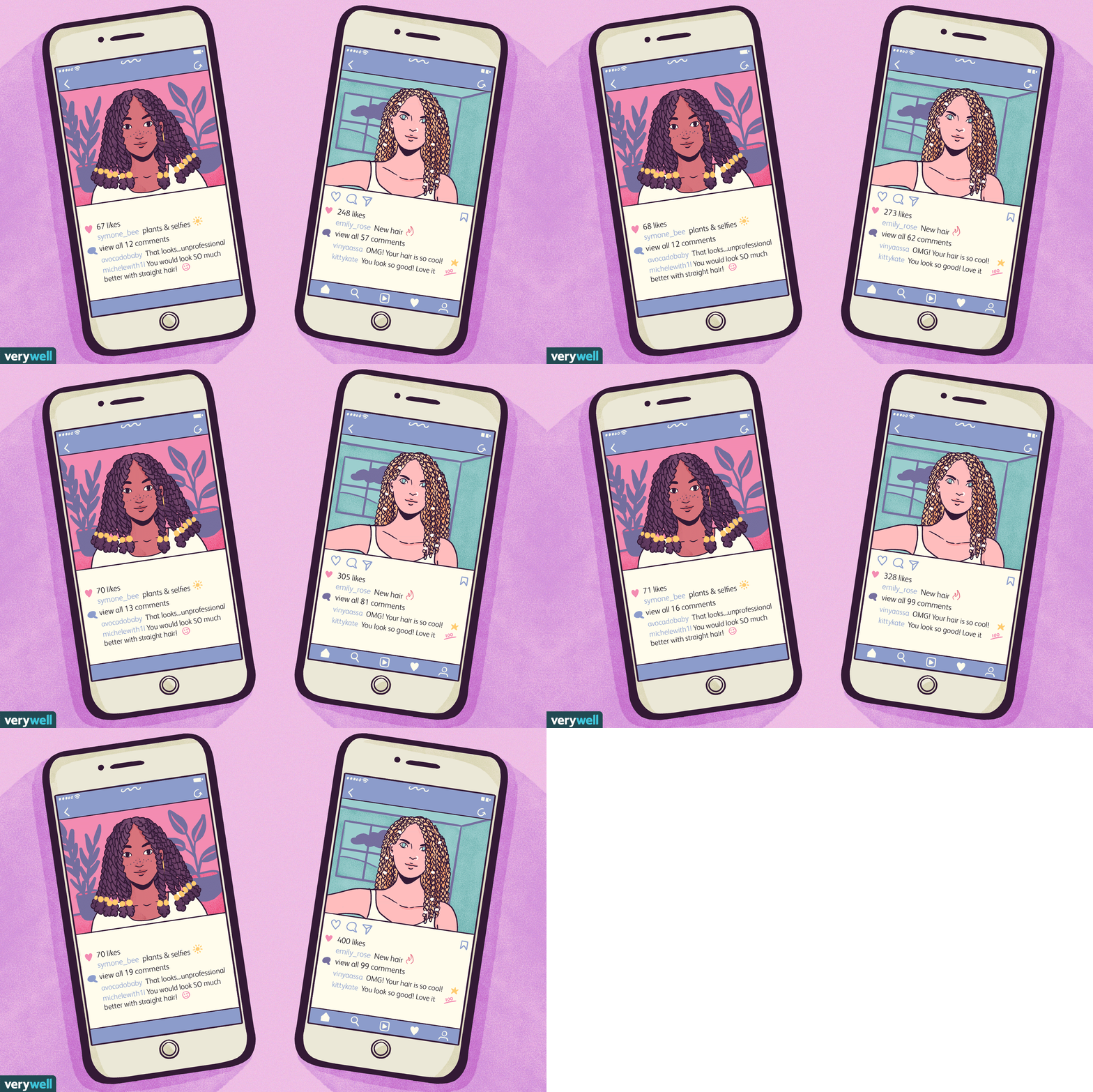
What Is Identity Disturbance?


Key Takeaways

  • Identity disturbance is when a person’s sense of self is inconsistent or unclear.
  • It is a common symptom of borderline personality disorder and affects beliefs, behaviors, and attitudes.
  • Therapies like CBT and DBT can help improve a person’s sense of identity.

Identity disturbance is a term used to describe incoherence or inconsistency in a person’s sense of identity. This could mean a person’s goals, beliefs, and actions constantly change. It could also be that the person takes on personality traits of people around them as they struggle to have and maintain their own identity.

The “Diagnostic and Statistical Manual of Mental Disorders” (DSM-5) describes identity disturbance as a “markedly and persistently unstable self-image or sense of self” and notes it is one of the key symptoms of borderline personality disorder (BPD).

Of course, people without BPD struggle with identity disturbance, too. But people with BPD often have a very profound lack of sense of self, or loss of identity. If you struggle with the feeling that you have no idea who you are or what you believe in, this may be a symptom you can relate to.

Understanding Identity

Identity is often thought of as your overarching sense and view of yourself. A stable sense of identity means being able to see yourself as the same person in the past, present, and future. In addition, a stable sense of self requires the ability to view yourself in the same way despite the fact that sometimes you may behave in contradictory ways.

Identity is quite broad and includes many aspects of the self. Your sense of self or identity is thought to include the following elements:

  • Your beliefs and attitudes
  • Your perception of your abilities
  • Your ways of behaving (even as these change)
  • Your personality and temperament
  • Your opinions
  • The social roles you play

Identity can be thought of as your self-definition; it’s the glue that holds together all of these diverse aspects of yourself.

Why Identity Is Important

Having a sense of identity serves many different functions. A strong identity can help you adapt to changes. While the world around you is constantly changing, if you have a strong sense of self, you essentially have an anchor to hold you while you adapt. Without that anchor, changes can feel chaotic and even terrifying.

In addition, having a strong identity allows you to develop self-esteem. Without knowing who you are, how can you develop a sense that you are worthwhile and deserving of respect?

Signs of Identity Disturbance

Identity disturbance is sometimes called identity diffusion. This refers to difficulties determining who you are in relation to other people. Some people with BPD may describe this as having difficulties understanding where they end and the other person begins.

People with BPD often report that they have no idea who they are or what they believe in. Sometimes, they report that they simply feel non-existent. Others even say that they are almost like a “chameleon” in terms of identity; they change who they are depending on their circumstances and what they think others want from them.

For example, you might find yourself being the life of the party at social events, but having a somber and serious demeanor at work functions. Of course, everyone changes their behavior to some degree in different contexts, but in BPD this shift is much more profound.

Those experiencing identity disturbance likely experience inconsistent beliefs and behaviors; they may also tend to over-identify with groups or roles over their individual identity.

Many people with identity disturbance in BPD say that in addition to changing behavior, their thoughts and feelings change to match the current situation. For example, they might frequently change their minds about the following:

  • Their career
  • Friendships
  • Aspirations
  • Their opinions and beliefs
  • Other major life decisions

As a result, many people with BPD struggle to set up and maintain healthy personal boundaries and have difficulties in their interpersonal and intimate relationships. They may also have trouble committing to values, goals, and jobs.

Identity disturbances are also associated with moods that change frequently and unpredictably.

Relationship Issues in BPD

Those who are struggling with identity disturbance in BPD commonly have trouble forming close relationships with other people. Someone with identity disturbance likely experiences the negative effects of low self-esteem, including a lack of self-respect and personal boundaries. This can make it especially difficult to form bonds with other people.

Another relationship challenge for those with identity disturbance is feeling a lack of support or meaninglessness in their relationships. Feeling an “emptiness” inside is common for those with identity disturbance.

Since it’s hard for them to find meaning within themselves, they may face challenges finding meaning in relationships with their family, friends, and romantic partners.

What Causes Identity Disturbance?

There has been very little research on the identity problems associated with BPD, but there are many theories as to why people with BPD often struggle with identity.

For example, Marsha Linehan, PhD, a leading BPD researcher and the founder of dialectical behavior therapy (DBT), believes you develop an identity by observing your own emotions, thoughts, and feelings, in addition to others’ reactions to you.

All of these factors can make it difficult to form a coherent sense of self, because internal experiences and outward actions are not consistent.

In addition, many people with BPD come from chaotic or abusive backgrounds, which may contribute to an unstable sense of self. If you determine who you are based on others’ reactions to you, and those reactions have been unpredictable and/or scary, you have no framework for developing a strong sense of identity.

The ability to understand the mental states of yourself and others is known as mentalizing. This is especially difficult for those with identity disturbance and BPD. This means they struggle with comprehending human behaviors and intentions, making it extra challenging for them to know themselves and others intimately.

One study published in 2017 showed that this problem with mentalizing may play a key role in why people with BPD struggle so much with identity diffusion and interpersonal relationships.

How to Cope With Identity Disturbance

So how do you go about answering the question Who am I? Of course, there is no magic solution for identity problems. However, most treatments for BPD include components that can help you begin to discover who you are and what you stand for.

Often, the first step is finding a good therapist who can help you work on identity problems. Treatments for BPD that may help with identity disturbance include:

  • Cognitive behavioral therapy (CBT): This type of therapy can help identify any limiting beliefs a person has about themselves or others, making it easier over time to form relationships. It also addresses underlying anxiety and mood symptoms.
  • Dialectical behavior therapy (DBT): This helps someone cope with intense emotions and control destructive behaviors. Mindfulness is often a technique used in DBT.
  • Mentalization-based treatment (MBT): In MBT, a therapist helps a person with BPD improve their interpersonal skills. This type of therapy aims to strengthen their understanding of what they and others are thinking or feeling.
  • Transference-focused psychotherapy (TFP): In TFP, as a client engages with their therapist, aspects of their identity disturbance plays out in the treatment relationship in many of the same ways they would with someone in their personal lives. This provides a way for the therapist to support an integration of different aspects of the patient self.
  • Schema-focused therapy (SFT): SFT integrates a variety of psychotherapeutic techniques to try and help patients change entrenched, self-defeating patterns, or schemas, that might be be contributing to challenges with identity.

There are also ways that you can work on identity disturbance on your own. You can begin to discover what you view as meaningful in your life. This type of self-discovery may be most effective in conjunction with therapy, especially as people with identity disturbance tend to struggle to find meaning.

Knowing what’s most important to you can connect you with a greater sense of identity. Many people find creative outlets to be helpful ways to express and learn about themselves.

Verywell Mind uses only high-quality sources, including peer-reviewed studies, to support the facts within our articles. Read our editorial process to learn more about how we fact-check and keep our content accurate, reliable, and trustworthy.
  1. Gold N, Kyratsous M. Self and identity in borderline personality disorder: Agency and mental time travelJ Eval Clin Pract. 2017;23(5):1020-1028. doi:10.1111/jep.12769

  2. Showers CJ, Ditzfeld CP, Zeigler-Hill V. Self-concept structure and the quality of self-knowledgeJ Pers. 2015;83(5):535-551. doi:10.1111/jopy.12130

  3. De Meulemeester C, Lowyck B, Vermote R, Verhaest Y, Luyten P. Mentalizing and interpersonal problems in borderline personality disorder: The mediating role of identity diffusion. Psychiatry Research. 2017;258:141-144. doi:10.1016/j.psychres.2017.09.061

  4. Zandersen M, Parnas J. Identity disturbance, feelings of emptiness, and the boundaries of the schizophrenia spectrum. Schizophrenia Bulletin. 2018;45(1):106-113. doi:10.1093/schbul/sbx183

  5. Isenhardt A, Kamenowski M, Manzoni P, Haymoz S, Jacot C, Baier D. Identity diffusion and extremist attitudes in adolescenceFront Psychol. 2021;12:711466. doi:10.3389/fpsyg.2021.711466

  6. Gold N, Kyratsous M. Self and identity in borderline personality sisorder: Agency and mental time travel. Journal of Evaluation in Clinical Practice. 2017;23(5):1020-1028. doi:10.1111/jep.12769

  7. Linehan MM. Cognitive-Behavioral Treatment of Borderline Personality Disorder. New York: Guilford Publications; 2018.

  8. Kulacaoglu F, Kose S. Borderline personality disorder (BPD): In the midst of vulnerability, chaos, and aweBrain Sciences. 2018;8(11):201. doi:10.3390/brainsci8110201

  9. American Psychological Association. Mentalization. APA Dictionary of Psychology.

  10. National Institute of Mental Health. Borderline personality disorder.

  11. Choi-Kain LW, Finch EF, Masland SR, Jenkins JA, Unruh BT. What works in the treatment of borderline personality disorderCurrent Behavioral Neuroscience Reports. 2017;4(1):21-30. doi:10.1007/s40473-017-0103-z

By Kristalyn Salters-Pedneault, PhD

 Kristalyn Salters-Pedneault, PhD, is a clinical psychologist and associate professor of psychology at Eastern Connecticut State University.


Source link

Toketemu Ohwovoriole

What Happens in Your Brain When You Have One

Key Takeaways

  • Wet dreams are common and natural, starting in puberty but can happen at any age.
  • Wet dreams are influenced by parts of the brain and involve hormones, and they occur during REM sleep.
  • There’s no reliable way to prevent wet dreams, but maintaining a regular sleep routine and reducing stress might help manage their occurrence.

A wet dream, medically known as nocturnal emission, is an intriguing aspect of the human sexual experience. It is a spontaneous orgasm that happens while you sleep.

While a wet dream might cause a man to ejaculate, in women, it results in vaginal lubrication, an orgasm, or both. Wet dreams are typically accompanied by vivid sexual dreams and are characterized by involuntary stimulation of your sexual organs. 

This natural phenomenon is a complex result of neurological activity in your brain, working with your body’s endocrine system and reproductive organs. 

When a person experiences sexual arousal during sleep, their body responds by increasing blood flow to the genital area. Eventually, this can lead to orgasm and ejaculation, says  Dolly Ferraiuolo, LCSW, owner, and Executive Director of SHARE, a mental health service in Florida. 

In this article, we’ll explain why wet dreams happen, the science behind them, their physiological manifestations, and their overall impact on a person’s well-being.

When Do Wet Dreams Occur?

With puberty comes a host of hormonal changes partly responsible for triggering wet dreams. While wet dreams are most commonly associated with puberty and adolescence, they can occur at any age after puberty.

Most wet dreams occur in men, starting from puberty and continuing into adulthood, although they may become less frequent in later years. Despite the common link of wet dreams with teenage boys, they can also occur in adult men and women. 

The frequency of wet dreams varies considerably from person to person. Some people experience them quite regularly, up to several times a month, while others might only have them once in a while or never. 

Generally, wet dreams tend to decrease as boys grow older and engage more frequently in sexual activity.

What Happens in the Brain During a Wet Dream?

Wet dreams are primarily a neurological phenomenon that involves the interaction of several parts of the brain. The process starts in the hypothalamus, a critical area of the brain that primarily releases hormones and manages essential physiological functions. 

During the REM (Rapid Eye Movement) stage of sleep where dreaming occurs, your hypothalamus stimulates the production of sex hormones. This stimulation can result in sexual arousal, even in sleep.

The frontal cortex, another crucial part of the brain, also plays a role. Known as the command center for decision-making and social behavior, the frontal cortex experiences reduced sleep activity, allowing for less self-censored dreams, making them more vivid and often more sensual.

Dopamine, a chemical messenger in the brain responsible for pleasure and reward, also plays an important role. As a dream becomes more vivid and sensual, your dopamine levels rise, leading to heightened feelings of pleasure and, inevitably, a physical response.

I Have Wet Dreams Often, What Does This Mean?

Having wet dreams frequently, while not the norm for everyone, doesn’t necessarily indicate a problem. Instead, it could signify a healthy and functional sexual system. 

The body has different ways of regulating hormonal levels and maintaining the health of your reproductive system, and wet dreams could just be a part of this process.

However, suppose your wet dreams occur so frequently that they cause you distress, embarrassment or affect your sleep quality. Consulting a healthcare provider or a professional therapist may be helpful in that case.

They can provide insights, practical tips, or interventions, if necessary, to help you manage the situation better.

Do Sex Dreams Always Cause Wet Dreams?

The short answer to this question is … not necessarily. While wet dreams often occur alongside sexual dreams, you can have a sexually explicit dream without experiencing a wet dream, just as a wet dream can happen without any explicit sexual content in your dream. 

The occurrence of a wet dream depends on various factors, including hormonal levels, the amount of time that has passed since your last ejaculation, and unique differences in sexual physiology.

While sexual dreams can be a common trigger for wet dreams, not all sexual dreams result in nocturnal emissions. Dreams are a product of the unconscious mind, and their content can vary greatly from person to person, says Ferraiuolo.

According to Ferraiuolo, sexual dreams can be influenced by a range of factors, including personal desires, experiences, and emotions. It’s important to recognize that having sexual dreams is a normal part of human sexuality, and experiencing them does not necessarily indicate any specific meaning or issue.

How Wet Dreams Can Affect Your Sleep

While wet dreams themselves typically do not disrupt sleep as they occur during the REM stage, the aftermath could lead to an interruption. Waking up following a wet dream for the cleanup can disturb your sleep cycle. 

Over time, if these interruptions are frequent, it could lead to sleep fragmentation and possibly induce daytime sleepiness or fatigue. In some cases, it could also cause distress or embarrassment, which in turn affects sleep quality.

Is There a Way to Prevent Wet Dreams?

Wet dreams are a natural physiological phenomenon, and there is no one-size-fits-all approach to preventing them. They typically decrease in frequency as you age or engage more frequently in sexual activities. 

While it is not possible to completely prevent wet dreams, there are some strategies that may help manage their occurrence, says Ferraiuolo. She suggests maintaining a regular sleep routine, and practicing stress reduction techniques such as relaxation exercises or meditation.

Again, wet dreams are a normal part of sexual development and do not require medical intervention unless they are causing significant distress or interfering with daily life.

If you have concerns, it is recommended to consult with a healthcare professional or therapist who can provide individualized support and guidance, suggests Ferraiuolo.

Can I Make Myself Have a Wet Dream?

Wet dreams occur spontaneously and can’t be controlled or induced consciously. They are a subconscious process tied to your body’s physiological needs and unconscious activities in the brain. 

However, some people report an increased likelihood of wet dreams when they abstain from sexual activity for extended periods.

Remember, open communication, self-acceptance, and understanding the natural aspects of human sexuality are key to fostering a healthy relationship with your body and your sexual experiences, Ferraiuolo adds.

Verywell Mind uses only high-quality sources, including peer-reviewed studies, to support the facts within our articles. Read our editorial process to learn more about how we fact-check and keep our content accurate, reliable, and trustworthy.
  1. Baxter R. Do women have wet dreams? ISSM.

  2. Shahid Z, Asuka E, Singh G. Physiology, hypothalamus. In: StatPearls. StatPearls Publishing; 2023.

  3. Yu, Calvin & Fu, Wai. (2011). Sex Dreams, Wet Dreams, and Nocturnal Emissions. Dreaming. 21. 197-212. 10.1037/a0024085. 

Toketemu Ohwovoriole

By Toketemu Ohwovoriole

Toketemu has been multimedia storyteller for the last four years. Her expertise focuses primarily on mental wellness and women’s health topics.


Source link

Empath Quiz: Are You an Empath?

Key Takeaways

  • Empaths can feel overwhelmed by other people’s emotions and might need alone time to recharge.
  • Empathy can be learned and improved by paying close attention to others, sharing your feelings, and listening actively.

How deeply do you feel the emotions of others? Do you often find yourself burdened by the weight of the feelings of those around you? If you are constantly taking on the emotional load of others and making it your own, you may be what is known as an empath.

To find out if you fit the commonly accepted criteria, take our fast and free empath quiz.

Who Is This Empath Quiz For?

This quiz is for anyone who is curious about their empathy levels. It can help you find out if your empathy levels are high enough to be considered an empath, and to better understand your feelings and interactions with others. Each question relates to feelings and experiences common among empaths.

About This Empath Quiz

This empath quiz is based on feelings and experiences that are common for people who are described as empaths. There’s no official scale for being an empath, so your result likely reflects how you see yourself and your ability to show empathy.

What to Know About Empaths 

Empathy is the ability to understand other people’s feelings. It’s a trait that’s important for human interactions and one that can be taught or built on. Being an empath goes beyond empathy.

Empaths don’t just understand the feelings of others, they absorb those feelings and take them on as their own.

There’s no scientific consensus on whether or not empaths exist, but some research suggests that sensory processing sensitivity, which could be connected to empathetic traits, can be found in about 20% of the human population.

Researchers have also discovered the existence of “mirror neurons” in the brain. The mirror neuron system might help people mirror the emotions of others by generating a brain state that matches that of the person being observed, providing a direct share of their experience.

So, true empaths who feel deeply and experience the emotions of others could actually exist—they just might not be very common.  

Since empaths are very sensitive to their surroundings and the emotional state of others around them, they can experience sensory overload or feel overwhelmed. In order to ground themselves or restore energy, an empath my need to spend time alone doing something calming.

They may also need to be more selective with people they spend time with, limiting the amount of contact they have with those who are consistently projecting emotions that feel draining.

What Are Signs You’re an Empath?

Empaths have more empathy than your average empathetic person. They’re also more skilled at recognizing the emotions of others. Here are some signs you may be an empath: 

Mirroring 

Highly empathetic people may mirror other people’s movements or emotions, meaning if they see someone else get injured, they might physically react too. If an empath is around someone experiencing a strong emotion, the empath might feel exactly what that person is feeling.

Reading People

Those who are more in tune with feeling emotions are also more likely to recognize and assess the meaning of facial expressions.

Empaths may pick up on subtle cues in someone’s facial expression or body language that indicate how that person is feeling. They can tell more easily if someone is being genuine or not.

Caring Deeply

The care empaths have and show for others goes beyond that of an average person. They may go out of their way to help others feel happy, comfortable, or safe.

Without checking in on their own capacity and needs, this automatic default mode may lead to blurred boundaries, emotional exhaustion, and burnout.

Sensitivity

Empaths are also more sensitive to elements of their environment, such as smell and sound. They might be more bothered by certain scents or find it hard to concentrate with loud noises.

How to Be Empathetic 

Empathy is a trait that can be taught and learned, so it’s possible to increase your empathetic abilities. Here are some things you can practice: 

  • Pay close attention to others. Take some time to observe the people around you. Listen closely to what they say and watch the movements they make with their face and body.
  • Share your feelings. If you want people to be more vulnerable and feel comfortable sharing their feelings with you, it is important to lead with vulnerability and openness. Talk about your innermost thoughts, feelings, and needs with those who you trust and listen closely when they talk about theirs.
  • Don’t just hear—listen. When people share their feelings with you, it’s important to take a moment to remember that they are choosing to open themselves up to you in search of your understanding and sometimes even your help. So when they do choose to share those vulnerabilities with you, don’t just wait for your turn to talk—think about how those vulnerabilities may be impacting them. Instead of telling them how you feel or think they should feel, validate how they are actually feeling.
  • Put yourself in others’ shoes. Imagine a time when you felt a similar way, or had a similar experience, and remember how that made you feel. By thinking about yourself and your own related experiences, you may develop better insight and understanding into the emotions of someone else.

It takes time and practice to become more empathetic, but if you’re committed to doing it, you have already taken the very necessary first steps that will have you on your way to being a more empathetic person.

Next Steps

If you scored low in empathetic traits, you might consider reaching out to a therapist to learn more about empathy and how you can build those skills.

If you display traits of an empath and are feeling overwhelmed, you might want to learn more about self-care strategies to help you care for your mental health. You may also consider reaching out to a therapist to learn how to establish healthy boundaries with people in your life.

Empathy is an important skill for social interactions. Learning how to build on your existing empathetic traits can help improve your relationships and how you relate to others. Being an empath can have benefits and challenges. If you identify as someone who takes on the emotions of others, you can likely benefit from learning how to care for your emotional health by identifying and setting internal and external boundaries with yourself and others.

Verywell Mind uses only high-quality sources, including peer-reviewed studies, to support the facts within our articles. Read our editorial process to learn more about how we fact-check and keep our content accurate, reliable, and trustworthy.
  1. Acevedo BP, Aron EN, Aron A, Sangster M, Collins N, Brown LL. The highly sensitive brain: an fMRI study of sensory processing sensitivity and response to others’ emotions. Brain and Behavior. 2014;4(4):580-594. doi:10.1002/brb3.242

  2. Jeon H, Lee SH. From neurons to social beings: short review of the mirror neuron system research and its socio-psychological and psychiatric implications. Clin Psychopharmacol Neurosci. 2018;16(1):18-31. doi:10.9758/cpn.2018.16.1.18

Additional Reading

A woman with red hair and black glasses.

By Rena Goldman

Rena Goldman is a health writer and editor with over a decade of experience. Her work has been featured Medical News Today, Healthline, and more.


Source link

How to Keep a Conversation Going


Key Takeaways

  • Ask open-ended questions to keep the conversation going.
  • Share a fun story to make the talk interesting and help others share too.
  • Practice with friends or join groups to get better at talking.

Have you ever felt stuck in a conversation that feels like it’s running on fumes? We’ve all been there. Awkward silences creep in, and you scramble to think of something to say besides “the weather sure is something, huh?” You’re grasping for straws and wish the ground would open up and swallow you whole.

Keeping a conversation flowing smoothly is an art, one that requires creativity, confidence, empathy, and top-notch listening skills.

“Everything about conversation is tricky—it’s a relentless coordination game where multiple people each make thousands of microdecisions, so all of their tiny choices (words, acoustic sounds, nonverbal signals, etc.) need to be coordinated with each other,” says Alison Wood Brooks, PhD, an associate professor and conversation researcher at Harvard Business School.

If keeping a conversation going is a struggle for you, we’ve got you covered. We asked a communication expert for strategies to help you level up your conversation game and overcome any roadblocks. These tips will come in handy while talking to a friend, colleague, family member, or even a romantic partner.

Why It’s Important to Keep a Conversation Going

Keeping a conversation going isn’t just about avoiding awkward silences. It serves a number of important purposes, including helping people bond and improving overall communication. Some of the reasons why it is important include the following:

  • Create connections: Conversations are the building blocks of relationships. When we share our thoughts and feelings, we create a sense of connection and understanding with others.
  • Share experiences: Conversations are where we share our stories, experiences, and dreams. They make us smile, laugh, cry, or empathize with each other. When we keep a conversation going, we create a space for sharing and connecting on a deeper level.
  • Ease social situations: Imagine a party where everyone just stands around staring at their shoes. Boring much? Conversations keep the energy up and make the party fun. Even small talk, which seems unimportant, plays a role. It’s a social lubricant that makes interactions more fun and light-hearted.
  • Create memories: Some of our fondest memories are often tied to conversations—late-night chats with friends, heart-to-heart talks with loved ones, or inspiring discussions that leave a lasting impact.
  • Communicate ideas: Conversations expose us to different ideas and perspectives. We can learn from others, challenge our own thinking, and maybe even think of new ideas together.
  • Solve problems: Conversations are also where we solve problems and work through challenges with others. When we keep the conversation flowing, we tap into collective wisdom and creativity, finding solutions we might not have discovered on our own.
  • Boost happiness: Feeling heard and understood is a basic human need. Good conversations make us feel validated and connected, which can have a big impact on our overall happiness.

Tips to Encourage Conversation

Whether it’s a first date, a party, or a networking event, these are some strategies that can help you create and maintain a conversation.

Keep a Few Topics Handy

Dr. Brooks recommends thinking of a few potential conversation topics that will interest the person you’re talking to ahead of time, even if it’s just a few minutes before the conversation begins. She explains that this can help reduce your anxiety and panic when the conversation lags and you need a new topic to keep it alive and bubbling.

Tell a Fun Story

People love a good story! Share an interesting anecdote or experience that relates to the conversation. This can not only be entertaining but also open doors for the other person to share something similar. It can be helpful to keep a few anecdotes in your back pocket in case you need them.

Look for Common Ground

Conversations flow naturally when you share interests, experiences, or perspectives with someone. Look for things you have in common, whether it’s an interest in a particular sitcom, a love for travel, or a weakness for croissants.

Ask Open-Ended Questions

Instead of yes-or-no questions, ask open-ended questions that invite the other person to share more information and expand on their thoughts. Open-ended questions encourage the other person to contribute to the conversation. Learning more about their perspective also helps you find new ways to keep the conversation going.

Give a Compliment

Give the person you’re talking to a compliment. This will make them feel pleased and make them more likely to open up to you in a conversation. Avoid generic compliments though; make it something unique and genuine.

Be Yourself

People are drawn to genuine enthusiasm. Be yourself during the conversation, letting your personality shine through. It also helps the other person feel more comfortable and ensures that the conversation stays authentic and genuine.

Keep It Positive

Maintain a positive and open-minded attitude during the conversation. Avoid negative topics or criticisms that can derail the mood and flow of the discussion. Skip conversation killers like inappropriate language or jokes, negative comments, gossip, and controversial topics

Help! The Conversation’s Dying!

  • Show genuine interest in the other person. Ask them something you’re curious about.
  • Tailor your conversation. Try to naturally mirror the other person’s body language and conversational style.
  • Keep it simple. They might be nervous too, so consider mentioning topics that are easy to talk about (hobbies, sports, the weather, etc.)
  • Encourage them to talk about themselves. If the conversation if floundering, lean on those open-ended questions that inspire them to talk more about themselves. You might ask questions about their job, where they grew up, or plans they have for the future.
  • Leave on a high note! If it seems like the conversation has naturally run its course, wrap it up before awkwardness sets in. Try something simple like, “Well, it was great talking to you! I hope we can chat again soon!”

Strategies for Active Listening and Effective Responding

Active listening is a skill that helps you really tune into what someone is saying. It involves being fully present in the conversation and showing interest in what the other person has to say. You’re not just listening so you can respond; you’re listening so you can truly *get* what they are saying.

By using active listening, you’ll be able to keep the conversation going more easily and respond effectively to what the other person is saying.

Look Interested

Don’t just wait for your turn to talk. Pay attention to what the other person is saying, make eye contact with them, and use your facial expressions to show them you’re listening and engaged.

Pay Attention to Non-verbal Cues

Pay attention to nonverbal cues such as facial expressions, gestures, and tone of voice. These cues can tell you how the person really feels about something and can help guide the direction of the conversation.

Respond Appropriately

Respond to what the person is saying with more than just “Uh-uh,” or “Wow!” Show your interest by elaborating on your responses. Add details, opinions, or even a touch of humor to keep things engaging.

Ask Follow-up Questions

If the person you’re talking to says something interesting, mysterious, unclear, or thought-provoking, Dr. Brooks recommends asking them more about it.

Follow-up questions show that you’re listening, and that you care to learn more from them. They’re conversational superheroes, and they’re always available as an option, no prep needed!


ALISON WOOD BROOKS, PHD

Build on What the Person Says

Pay attention to what the other person is saying. Use this as a springboard to ask follow-up questions or share a related story or experience of your own.

Avoid Interrupting Them

Allow the other person to finish their thoughts before jumping in with your own contributions. Interrupting them can disrupt the flow of the conversation and make them feel unheard.

Don’t Repeat Yourself

If you notice yourself or the person you’re talking to repeating something that’s already been said, it’s a sign that you need to switch to a new, different topic, says Dr. Brooks. “Redundancies aren’t fun or interesting for speakers or listeners.”

Use Call-Backs

Call-backs are brief references to things that you’ve discussed with the person before, showing them that you were listening, thinking about what was said, and are clever enough to reference back to it later, says Dr. Brooks. “They often get a good laugh, and if you start to look for them, you’ll notice that many people whom we view as ‘charismatic’ or ‘good listeners’ are simply calling back details you’ve discussed together before.”

Solutions for Overcoming Conversation Roadblocks

A conversation roadblock is like hitting a sudden red light. It’s that moment when we’re talking, everything seems to be going well, and then bam! We find ourselves stuck, not knowing what to say next. It’s that weird silence that creeps in, making us feel a bit lost and unsure of how to keep the conversation going. Awkward!

Don’t worry, you’re not alone if you’ve experienced this! Even the best communicators are bound to make mistakes, have moments of awkwardness, stumble, and fall, says Dr. Brooks. “And even the best communicators can’t control how their conversation partners will behave.”

The trick is realizing that the kerfuffle of conversation is normal, inescapable, and good communicators support each other through it—by managing topics, asking questions, avoiding boredom with levity, and helping others get what they want and need out of the conversation.


ALISON WOOD BROOKS, PHD

These are some strategies that can help you overcome conversational roadblocks:

  • Change topics: If the conversation is stalling, it’s time to shift gears and change the topic. “Typically, longer mutual pauses, repeating something that’s already been said, and uncomfortable laughter are clues that the person you’re talking to is losing interest in the current topic and you should switch to talk about something new,” says Dr. Brooks.
  • Ask a thought-provoking question: Ask an interesting question that encourages the other person to share their thoughts or experiences. For example, you could say: “What’s something you’ve always wanted to try but haven’t had the chance yet?”
  • Use humor: A well-timed joke or light-hearted comment can help break the ice and get the conversation back on track. A little humor often goes a long way! Just be mindful of what’s appropriate for the context.
  • Take a break: If the conversation feels forced or stagnant, it’s okay to take a short break. Suggest grabbing a drink or shift the focus to a different activity to refresh the conversation and give you something new to talk about.
  • Don’t get scared of pauses: Conversations naturally ebb and flow. Allow for moments of silence without feeling pressured to fill every gap with words. Although pauses can feel awkward when you’re talking to a stranger, research shows us they can be comfortable when it’s someone you know well, says Dr. Brooks. Use the time to reflect on what you want to say next.

How to Practice Your Conversation Skills

The good news is that you can build your conversation skills with regular practice. Consider some of the following ideas for opportunities that will help you practice your skills:

  • Strike up casual conversations: This might seem daunting at first, but everyday situations can be a great way to practice making conversation in a low-pressure setting. Ask the cashier about their day, chat with a neighbor about the latest town news, or strike up a conversation with someone on the subway. It’s all about practice, practice, practice!
  • Join a club: Surrounding yourself with people who share similar interests is a fantastic way to spark conversations. Book clubs, hobby groups, sports teams, or volunteer activities offer a natural starting point for discussion.
  • Role-play with a friend: This can be a really fun way to practice. Take turns playing different roles and have conversations on various topics with a friend. You can even set challenges, like overcoming a specific conversation roadblock.
  • Listen to podcasts and audiobooks: Pay attention to how the host interacts with guests on podcasts or how audiobooks portray conversations. This can give you insights into natural conversation flows and different communication styles.
  • Record yourself having a conversation: This might feel strange at first, but recording yourself talking to a friend or family member can be a valuable learning tool. Listen back and identify areas for improvement, like filler words or awkward pauses. Tell the person you’re talking to that you’ll be recording the conversation, so you have their consent.

What should I talk about?

Do you need some quick ice-breakers or small-talk starters? Try some of these ideas to help keep your conversation from lapsing into awkward glances and painful silences:

  • “I don’t really know much about [this subject]. What interests you most about it? “
  • “My dog did the funniest thing the other day. Do you have any pets?”
  • “I’ve been looking for a new book to start. Have you read anything good lately?”
  • “All the stress has been getting to me lately. What do you usually like to do to relax?”
  • “I haven’t lived here too long. Where did you grow up? (Follow up: What was your favorite thing about growing up there?)”
  • “I’d love to travel more. Have you been on any good trips lately?”
  • “I could use some new podcasts to listen to on my commute. Do you know any good ones?”
  • “I need some new shows to watch. Have you seen anything good lately?”
  • “I love the challenges this project brings. What have you been working on recently?”

Open-ended questions often work best if you incorporate them into the conversation. Start by mentioning how the topic relates to your life, then ask them for their insights, suggestions, or tips. This not only encourages them to share but also makes them feel like they are contributing something helpful.


Source link

Adderall Side Effects in Men: Erectile Dysfunction and More


Key Takeaways

  • Adderall can cause erectile dysfunction by affecting blood flow to the penis.
  • If you have erectile dysfunction while taking Adderall, talk to your doctor since other medications might help.
  • Sometimes, adjusting the dosage of Adderall can lessen erectile dysfunction without losing ADHD symptom relief.

Adderall (dextroamphetamine/amphetamine) is a medication that can be prescribed to treat symptoms of ADHD in both children and adults. It can be helpful and effective but may also cause side effects. Adderall side effects in men may include erectile dysfunction and decreased libido.

Keep reading to learn what Adderall is, some of the side effects that you might experience, and strategies that can help you cope with some of these side effects.

What is the most important information I should know about Adderall (dextroamphetamine/amphetamine)?

You should not take Adderall if: 

  • you are allergic or hypersensitive to dextroamphetamine or amphetamine; or
  • you have taken an MAOI in the previous 14 days; or
  • you have glaucoma, cardiovascular disease, high blood pressure, hyperthyroidism, or a history of substance use.

Adderall (dextroamphetamine/amphetamine) may also lead to other side effects, including erectile dysfunction, dizziness, headaches, and sleep problems.

What Is Adderall (dextroamphetamine/amphetamine)?

Adderall (dextroamphetamine/amphetamine) is a stimulant medication used to treat ADHD. However, it can have side effects, including erectile dysfunction, in some people.

Adderall acts on the central nervous system and increases the number of neurotransmitters in the brain, such as dopamine and norepinephrine. This results in increased attention and focus and reduced hyperactivity and impulsive behavior.

Adderall contains dextroamphetamine and amphetamine and is available in a short-acting formula, which lasts approximately four hours, and in an extended-release formula (Adderall XR), which lasts between 10 to 12 hours. It was approved to treat ADHD in 1996 by the FDA and can be prescribed to people who are 6 years and older.

Recap

Adderall is a stimulant medication that is often used to treat ADHD. It can be effective in relieving symptoms, but can also have some side effects, including erectile dysfunction. 

Side Effects of Adderall in Males

Sexual side effects may occur in some individuals. Adderall can affect blood vessels in the body, which may affect sexual desire and performance.

Erectile Dysfunction

Erectile dysfunction (ED) is a potential side effect for people who are taking Adderall. Some people report a decreased interest in sex and difficulty getting and keeping an erection. This change in sex drive or sexual performance can cause distress and embarrassment.

One of the effects of Adderall is the constriction of certain blood vessels in the body, and these changes may impact the penis. Typically, once the effects of the medication have worn away, sexual desire and performance return to what is normal for you.

While some people report that Adderall negatively affects their sex life, others experience the opposite. They find it increases their sex drive and they do not experience ED. This varies from person to person. Stimulants like Adderall are sometimes used to treat the sexual side effects that may accompany certain antidepressant medications.

Erectile dysfunction and changes in sex drive and performance can occur while taking Adderall. Not everyone will experience this side effect, however.

Other Side Effects

Other negative side effects of Adderall can include:

  • Abdominal pain or stomachache
  • Nervousness
  • Dizziness
  • Emotional detachment
  • Headaches
  • Sleep problems (insomnia)
  • Dry mouth
  • Vision problems
  • Diarrhea
  • Loss of appetite
  • Weight loss
  • Increased both blood pressure and heart rate

The most common side effects of Adderall are abdominal pain, decreased appetite, insomnia, nervousness, and weight loss.

Managing Adderall Side Effects in Men

Although you might feel shy or embarrassed, it is important to tell a healthcare provider about erectile dysfunction or other side effects that you are experiencing.

Talk to Your Doctor if You Experience ED

Even if you think Adderall is the cause of ED, it is still important to tell your doctor about it. There could be other reasons for erectile issues that require treatment. Sometimes ED can be a sign of an underlying health problem, such as diabetes or heart disease, hormone problems, or neurological disease. Or it may reflect other psychiatric issues, such as depression.

Doctors understand that ED and other issues are potential side effects of Adderall and will want to help you to resolve the problem. Your doctor may suggest one of the following solutions.

Allow Time to Adjust

Some people experience ED and other side effects when they first start taking Adderall. Then, as their body adjusts to the new medication over the course of several weeks, the problems subside. Because each human body responds to medication slightly differently, it is not possible to know in advance how the medication will affect you.

Planning Ahead

Some people do not take their usual dose of Adderall if they know they are going to be having sex. Or they can wait until the medication is out of their system before having sex.

Lower Dose

In some cases, you might want to talk to your doctor about lowering the dosage of your ADHD medication. Taking a lower dosage of Adderall might still be helpful in reducing ADHD symptoms while not resulting in erectile dysfunction or other side effects.

You should always talk to your doctor before you adjust your medication dosage.

Change ADHD Medications

As with all medications, there is a balance between treating a condition and managing the side effects. There are two types of stimulant medication available to treat ADHD: the amphetamine family and methylphenidate.

ADHD medications in the amphetamine family include:

  • Adderall (amphetamine/dextroamphetamine)
  • Dexedrine (dextroamphetamine sulfate) 
  • Dyanavel XR (amphetamine)
  • Evekeo (amphetamine sulfate)
  • Vyvanse  (lisdexamfetamine dimesylate

ADHD medications that contain methylphenidate include:

  • Metadate (methylphenidate hydrochloride)
  • Concerta (methylphenidate hydrochloride)
  • Daytrana (methylphenidate transdermal system)
  • Methylin (methylphenidate hydrochloride)
  • Ritalin (methylphenidate hydrochloride)
  • Quillivant (methylphenidate hydrochloride)

If one stimulant family causes side effects that cannot be tolerated, the prescribing physician will often suggest trying the other type.

Each group of drugs affects an individual differently. The only way to know how you will respond to a medication is through trial and error. There are also non-stimulant medication options for ADHD.

It may also not be your ADHD medication that is causing ED; other medications are also known to cause ED. These include medications used to treat conditions that frequently coexist with ADHD. 

For example, SSRIs (selective serotonin reuptake inhibitors) such as Paxil (paroxetine), used to treat depression and anxiety, and certain antihypertensive drugs sometimes used to treat aspects of ADHD can also contribute to erectile issues.

Do Not Stop Adderall Abruptly

If you are experiencing ED and think it is due to Adderall, you might be tempted to stop taking your medication. However, it is important to discuss this with your physician first, as unpleasant physical and psychiatric symptoms can accompany stimulant withdrawal.

Make Lifestyle Changes

Consuming high levels of certain substances such as alcohol, marijuana, nicotine, and cocaine can also cause ED. Lack of exercise, sleep, and stress could be contributing factors too. This is good news because these are factors that you are in control of. By making changes to your lifestyle, you can become physically healthier and improve erectile problems.

Sometimes making lifestyle adjustments can help you cope with some of the unwanted side effects of your medications. Eating a healthy diet, getting enough physical activity, and getting plenty of rest may be helpful.

Treat ED with Medication

Erectile dysfunction can be a result of many factors, including psychological factors like stress and anxiety. If a person tried to have sex while Adderall was still in effect and experienced ED, the memory of this can cause performance anxiety in the future.

Taking Viagra (sildenafil) helps to get and maintain an erection, which helps to counteract the side effects of Adderall. You might feel that Viagra or a similar medication is for older people. However, many young people take it to help with ED.

Even at times when Adderall is not in the body, having a prescription for Viagra has a psychological advantage as well as a physical one. Knowing that you have Viagra in your medicine cabinet just in case you need it can give you a psychological boost. With time, you will feel more confident as you get to know your body and how it responds to Adderall.

Natural ED Treatments

There are some natural treatments for ED that might help. While products such as supplements and vitamins can sound like a great solution, be cautious.

Natural does not automatically mean safe. These options can interact with a prescription medication you are taking. Always check with your doctor or pharmacist before taking supplements or vitamins.

Adderall Warnings and Interactions

In addition to the potential side effects, it is important to be aware of any warnings and interactions while taking this medication.

Adderall is categorized as a Schedule II drug and has a potential for dependence and abuse. It is important to take your medication as prescribed and never take more of your medication than directed. 

Always talk to your doctor before stopping your medication. Suddenly halting your medication can lead to withdrawal symptoms, including mood changes and sleep difficulties. Only discontinue your medication under your doctor’s supervision.

Be sure to tell your doctor about any other medications, supplements, or substances you are taking to avoid drug interactions. Interactions may affect how your medication works or increase the risk of side effects.

Drugs and substances that might interact with Adderall include:

  • Antidepressants
  • Antihistamines
  • Antipsychotics
  • Blood pressure medications
  • Lithium
  • MAOIs
  • Opioid pain medications
  • Seizure medications

Frequently Asked Questions


  • How long do Adderall side effects last?

    Side effects usually go away after taking Adderall for a week or two. Allow your body time to adjust to the medication, but be sure to tell your doctor if your side effects persist, if they are severe, or if you experience serious side effects such as abnormal heart rhythm, psychosis, hallucinations, allergic reaction, or seizures.


  • What are the emotional side effects of Adderall?

    In some cases, Adderall can cause side effects such as anxiety, irritability, or changes in mood. Serious mental side effects such as depression, hallucinations, aggressive behavior, and delusional thinking can also sometimes occur. You should contact your doctor immediately if you notice any of these serious side effects.


  • Why does Adderall cause erectile dysfunction?

    Adderall can cause a narrowing of the blood vessels in certain areas of the body. This can increase blood pressure and have other cardiovascular effects, but it can also affect blood flow to the penis, making it more difficult to experience an erection when sexually aroused.


  • Do other ADHD drugs cause erectile dysfunction?

    Other types of ADHD medications can also cause erectile dysfunction. Antidepressants are also sometimes used to treat symptoms of ADHD, and some of these medications can cause changes in libido and sexual performance.

    If you experience erectile dysfunction while taking an ADHD medication, your doctor may recommend switching to a different type of medication, such as a different stimulant or a non-stimulant medication.


  • Does Adderall affect testosterone?

    Some research suggests that amphetamine-dextroamphetamine (the same combination used in Adderall) may decrease the production of testosterone. It is thought that this effect is due to the impact of these drugs on Leydig cells, which are located in the male testes and responsible for testosterone production.

Verywell Mind uses only high-quality sources, including peer-reviewed studies, to support the facts within our articles. Read our editorial process to learn more about how we fact-check and keep our content accurate, reliable, and trustworthy.
  1. U.S. Food and Drug Adminstration. Adderall XR label.

  2. Bourgeois FT, Kim JM, Mandl KD. Premarket safety and efficacy studies for ADHD medications in children. PLoS ONE. 2014;9(7):e102249. doi:10.1371/journal.pone.0102249

  3. Joseph AA, Reddy A. Excessive masturbation association with mixed amphetamine salts. J Child Adolesc Psychopharmacol. 2017;27(3):291-292. doi:10.1089/cap.2016.0130

  4. Food and Drug Administration. Medication guide Adderall XR.

  5. Abdalla TE, Kotsonis D, Best J, Ramasamy R, Wood E. Stimulant-induced pituitary failure and reversible azoospermia. Cureus. 2021;13(4):e14269. doi:10.7759/cureus.14269

By Jacqueline Sinfield

Jacqueline Sinfield is an ADHD coach, and the author of “Untapped Brilliance, How to Reach Your Full Potential As An Adult With ADHD.”


Source link

Is a Polyamorous Relationship Right for You?

Key Takeaways

  • Consent and communication are very important in polyamorous relationships.
  • You can have multiple romantic relationships at the same time in polyamory.
  • Jealousy is common, but it’s important to talk about your feelings with your partners.

Polyamory is the philosophy and practice of loving multiple people at the same time in an open, honest way. It emphasizes choice regarding the number of partners one can choose instead of adhering to social norms such as monogamy.

Unlike open relationships, polyamory is characterized by emotional as well as sexual or romantic intimacy among partners. In contrast to infidelity, adultery, and extramarital sex, polyamory is disclosed and agreed to by everyone involved.

To be polyamorous means to have open intimate or romantic relationships with more than one person at a time. People who are polyamorous can have any sexual orientation, and polyamorous relationships can include people of different sexual orientations.

How Do Polyamorous Relationships Work?

Some polyamorous relationships are hierarchical (one relationship takes priority over others); other polyamorous relationships are equal. In a hierarchical scenario, a person may have primary and secondary partners.

  • A primary partner is at the top of the hierarchy; they may be the person with whom you live, have kids, or even marry. Not all polyamorous relationships have a primary partner.
  • Secondary partner(s) may not be as intertwined in your life as a primary partner; for example, you might be fully committed to each other without sharing housing or finances.


This polyamory quiz was reviewed by Ivy Kwong, LMFT.

What Polyamory Is Not

Boundaries in polygamous relationships are quite different from those in monogamous relationships, but they still exist.

People in polyamorous relationships may or may not be married, although they may reject the restrictions of conventional marriage—particularly, the limitation to one partner. However, polyamory:

  • Is not bigamy or polygamy, which involves marriage to more than one person and is illegal in the U.S.
  • Is not “swinging” or “spouse swapping.” in which couples in established relationships have casual sexual encounters with people in other couples
  • Is not an “open” relationship, in which a couple agrees that one or both partners may have sex with other people, not necessarily with disclosure
  • Is not a type of sexual orientation or gender identity

Polyamorous couples may also have open relationships, and people of all orientations and identities participate in polyamorous relationships, including those who are straight, gay, bisexual, lesbian, transgender, nonbinary, or pansexual.

Talking About Polyamory

If you’re looking to bring up polyamory with a potential new partner, consider a conversation starter such as:

  • What type of relationship are you looking for—exclusive or nonexclusive?
  • Before we get serious, I need to tell you that I’m not looking for a monogamous relationship.
  • What are your thoughts about dating multiple people at once?
  • Have you ever heard about polyamory? Would you ever consider giving it a try?

Types of Polyamorous Relationships

Unlike monogamous relationships, which by definition are limited to one partner, polyamory comes in many forms and may change over time based on the people involved.

Many polyamorous relationships are characterized by a couple who openly and consensually pursues independent or joint relationships outside of their primary relationship. Others practice polyamory by having multiple independent, separate relationships, or even relationships among three or more people.

Polyamorous relationships can also be closed. Individuals who are part of a closed polyamorous group agree not to see other people or bring more people into the relationship.

“Consensual nonmonogamy” is an umbrella term that psychologists use to describe swinging, open relationships, and polyamory. Research suggests that more than 20% of Americans have participated in a consensual, nonmonogamous relationship at some point in their lives.

Triad

Also known as a throuple, a triad refers to a relationship with three people. Not all three people need to date one another, however. One person might date two different people.

Quad

A quad involves four people and often occurs when two polyamorous couples meet and begin dating one person from the other couple. In a full quad, all four members are romantically or sexually involved with one another.

Polycule

The term polycule refers to a network of romantically connected people. For example, it might include you and your primary partner, your secondary partner, your primary partner’s secondary partner, your primary partner’s secondary partner’s primary partner, and so on.

Kitchen-Table Polyamory

This is a family-like network formed by people who know each other. The name comes from the fact that people in this type of polyamorous relationship gather around the kitchen table for meals.

Parallel Polyamory

Parallel polyamory refers to relationships in which two people are aware of but have little or no contact with each other’s other partners.

Solo Polyamory

Individuals in a solo polyamorous relationship do not intend to merge their identities or life infrastructures with their partners. For example, they don’t wish to marry or share a home or finances with any of their partners.

Sex Addiction and Polyamory

Most in the polyamory community reject the idea that polyamory and sex addiction are related. Sex addiction is not a defining characteristic of polyamory, and polyamorous people do not necessarily engage in the excessive sexual activity that is characteristic of sex addiction. However, people with sex addictions based on the desire for multiple partners may be particularly drawn to the polyamorous community.

Avoiding Relationship Issues

The need for clear communication and boundaries among all concerned is a key feature of the polyamorous philosophy. The complexity of interrelationships can leave some individuals vulnerable to exploitation.

However, research shows that people in consensual nonmonogamous relationships and those in monogamous ones have similar levels of psychological well-being and relationship quality.

Establish Rules and Boundaries

A big part of polyamory is ensuring that all partners are on the same page when it comes to emotional and physical boundaries, including:

  • When and whether to divulge details about relationships or your polyamorous status with others
  • How often to spend time with each other and other people
  • What sexual acts are OK and what are not
  • What safety practices everyone will follow

Definitions of what constitutes cheating or infidelity in a polyamorous relationship depend on the rules that those in the relationship have established. In a polyamorous relationship, ignoring the boundaries and rules that those in the relationship have agreed to is often considered cheating.

Support One Another

Just as in a monogamous relationship, it’s important to support your partners and show respect and courtesy, even if you don’t like your partner’s metamour (your partner’s partner who’s not romantically or sexually involved with you).

Avoid Comparisons

Although it’s human nature, do your best to avoid the comparison game. For example, don’t go and book an extravagant trip for two just because your partner had a weekend getaway with one of their other partners.

Express Your Feelings and Needs

Jealousy is a common feeling that can come to the surface in a polyamorous relationship. Communicating these feelings, instead of letting them consume you, is key for polyamory.

In fact, a common term used in polyamory is compersion, or the feeling of joy from seeing your partner happy with another partner. This is the opposite of jealousy.

Recap

Issues that may cause polyamorous relationships to fail include lack of boundaries, lack of support, comparison, jealousy, and poor communication. Addressing these issues can help improve the quality of the relationship.

Only you can decide whether a polyamorous relationship is right for you. Polyamory involves challenging the ideal of monogamy while examining your expectations of love and romantic partners. As with any relationship, being honest with yourself and your partner(s) about your feelings is most important for a mutually satisfying life together.

Elizabeth Hartney, PhD

By Elizabeth Hartney, BSc, MSc, MA, PhD

Elizabeth Hartney, BSc, MSc, MA, PhD is a psychologist, professor, and Director of the Centre for Health Leadership and Research at Royal Roads University, Canada. 


Source link

Risks, Addiction, and How to Get Help


Key Takeaways

  • Vaping THC oil can cause serious lung injuries and has been linked to deaths.
  • Many people who vape THC oil experience cognitive and motor skill issues.
  • Young people are at a higher risk of addiction and withdrawal from vaping THC.

Vaping THC oil involves heating the oil and inhaling it through a vaporizing device like a vape pen or e-cigarette. Many healthcare providers are concerned about the health-related effects of this THC product type.

Marijuana use carries many risks, including addiction. Keep reading to learn more about the risks of THC oil, how to spot the signs that someone you know might have a marijuana addiction, and how you can get help with addiction, withdrawal, and recovery.

Overview of THC Oil

THC is the main psychoactive compound found in marijuana and the substance that produces intoxication effects. In addition to its psychoactive effects, THC is also believed to impact pain, mood, and other feelings. It creates these effects by impacting cannabinoid receptors in the brain.

While some states have legalized the medical and recreational use of marijuana and marijuana products, it is still illegal according to federal law. Marijuana use in any form also comes with short-term and long-term health risks.

Off-Label Uses for THC

The FDA has approved a few THC-containing medications for use with certain medical conditions, such as those related to cancer, AIDS, and epilepsy. However, these medications use purified chemicals that are either derived from or based on those contained within the marijuana plant.

Because the long-term impact of marijuana use in less-purified forms is unknown, the FDA does not approve of THC use in any form beyond these medications. This would include vaping THC oil.

Risks of THC Oil

Research suggests that vaping THC oil, especially oil that contains vitamin E acetate, can be particularly harmful to the lungs. Vitamin E acetate, which is regularly added to THC when preparing it for use in e-cigarettes and vaping devices, is especially harmful when it’s inhaled.

In 2019, the dangers of vaping came to light. In September of that year, health officials began investigating an outbreak of a severe lung disease associated with vaping and e-cigarettes. By December, 2,561 cases of the lung disease, often referred to as e-cigarette or vaping use-associated lung injury (EVALI), had resulted in hospitalization or death.

Avoid Vaping THC Due to High Risk of Lung Injury

Nearly 70 deaths have been confirmed from EVALI, spanning 29 states and the District of Columbia. Additionally, 82% of people hospitalized reported using THC-containing products, with 33% reporting the use of these products exclusively.

Currently, the CDC recommends that people avoid using e-cigarettes and vaping products—particularly those that contain THC oil. The Food and Drug Administration (FDA) has joined the CDC in this recommendation.

Vaping THC oil just once can significantly impact your lungs. A study in the Journal of the American Medical Association found that first-time and infrequent users of marijuana were more likely to experience adverse reactions from vaping THC oil.

This study’s authors suggest that the negative impacts of this THC ingestion method are largely due to the enhanced delivery of the oil. This was evidenced by participants having more pronounced effects and experiencing significant impacts on their motor skills and cognitive abilities.

Marijuana concentrates, such as those used in vaping, also have incredibly high THC levels—up to four times as high as those found in top-shelf marijuana. This may also explain why their effects are more enhanced. Research suggests that some forms of THC oil contain THC levels up to 70%, compared to 30% in dried flower forms of marijuana. Regularly using such products increases the risks of cognitive impairment, dependence, psychosis, and withdrawal symptoms.

Other Risks of Vaping THC Oil

There are a number of other risks that have been associated specifically with marijuana use. Among them are:

Longer-lasting side effects of marijuana use include learning, memory, and sleep issues. People who use marijuana repeatedly over time may also experience effects such as:

  • Increased risk of addiction
  • Increased risk of chronic cough
  • Increased risk of schizophrenia (if a genetic risk also exists)
  • Learning and memory issues

Vaping can injure the lungs, resulting in symptoms such as a rapid onset cough, breathing troubles, nausea, vomiting, diarrhea, and weight loss. Vaping cannabis is also associated with cognitive impairments and an increased risk for dependence, particularly among young people.

Signs of THC Oil Use

How do you know if someone in your life might be vaping THC oil? Signs of marijuana use can include:

  • Being drowsy during the daytime
  • Having bloodshot eyes
  • Inability to judge time
  • Increased cough or wheezing
  • Increased hunger for no apparent reason
  • Lack of focus or inability to concentrate
  • Secretive behavior
  • Trouble with coordination
  • Unusually talkative
  • Vaping devices or oils in their possession or in their room
  • Weird, unexplained smells (some THC vaping oils are flavored, resulting in a variety of scents)

Marijuana vaping use is on the rise, particularly in certain age groups. For instance, the number of college-age students who’ve vaped in the past month increased from 5.2% to 14% in just two years’ time. A 2022 study adds that the number of teens vaping cannabis in the last 30 days increased seven-fold from 2013 to 2020.

How to Recognize THC Vaping Oil & Devices

The appearance of THC oil vaping devices can vary, ranging from having a pen-like shape to being rectangular or oval. The oil either comes pre-filled in the device or is sold in compact containers (pods) for refillable devices. The Centers for Disease Control and Prevention (CDC) offers a helpful visual dictionary for identifying both THC vaping devices and oils.

Other Concerns About THC Oil

There are a couple of misconceptions surrounding both THC and vaping.

THC Is Not the Same as CBD

Some people confuse THC with CBD (cannabidiol), another cannabinoid found in the cannabis plant. However, it’s important to note that CBD oil and THC oil impact the body in completely different ways.

One notable difference is that while THC has psychoactive properties, CBD does not. As a result, CBD does not make you intoxicated. CBD is also believed to work with other receptors in the body to produce an overall feeling of well-being.  

There are also legality differences. As of April 2024, 38 states, three territories, and the District of Columbia have approved the use of marijuana for medical purposes. As of November 2023, 24 states, three territories, and the District of Columbia have approved marijuana for recreational use.

Even though these states and territories allow marijuana use for medical or recreational purposes, it is still illegal under federal law.

Conversely, the 2018 Farm Bill removed hemp (of which CBD oil is a derivative) from the definition of marijuana, making it legal federally as long as it contains 0.3% THC or less.

Vaping THC Is Not Safer Than Smoking It

It is a common misconception that vaping is less risky than smoking. A 2018 Gallup Poll found that most Americans believe that vaping is less harmful than smoking, with 40% of the respondents indicating that marijuana was “not too” harmful. Some think this because vaping involves inhaling vapor rather than smoke. The issue is that there isn’t enough research to support this belief.

Risks of Vaping THC

Research indicates that the dangers of vaping include:

  • having no regulation of the compounds in vaping products (so you don’t know what you’re getting)
  • the fact that vaping delivers a larger amount of THC;
  • and the potential of heating coils in vaping devices to increase exposure to carcinogens.

Other health experts warn that vaping marijuana may even damage the lungs more so than smoking or vaping nicotine. This doesn’t mean that vaping nicotine is safe, but that vaping THC oil is thought to create a greater amount of lung damage.

A study published in Addiction adds that while vaping nicotine may be safer than smoking cigarettes, the same may not hold true when it comes to marijuana. In fact, additives like vitamin E acetate may make this delivery method even more dangerous than smoking marijuana, putting the person’s lungs at a greater risk for injury.

Vaping THC oil is not safer than smoking, and may lead to increased exposure to carcinogens, greater lung damage, and an increased risk for serious lung injury.

Tolerance, Dependence, and Withdrawal

If you vape THC oil regularly, you may develop a tolerance, potentially through the way cannabis creates neuroadaptive changes in the brain. Vaping THC oil can also lead to a substance use disorder.

The National Institute on Drug Abuse (NIDA) estimates that between 9% and 30% of people who use marijuana develop some sort of substance use disorder. Also, people who begin using marijuana before they turn 18 are four to seven times more likely than adults to develop cannabis use disorder.

Vaping THC can lead to dependence, addiction, and withdrawal.

Addiction

The National Institute on Drug Abuse shares that cannabis use disorder can turn into a marijuana addiction if the usage of this drug cannot be stopped even when it interferes with various aspects of your life. This could include causing issues at work, school, or home.

Additionally, because some confuse dependence with addiction, it is unclear exactly how many people may be addicted to marijuana. Though, the Substance Abuse and Mental Health Services Administration (SAMHSA) estimates that one in 10 people using marijuana will develop an addiction.

In a survey of 9,003 U.S. adults, one-half of them said that they felt that addiction is a risk of marijuana use.

Withdrawal

People with a history of long-term marijuana use (including vaping THC oil) may experience mild withdrawal symptoms if they stop. These include:

Symptoms such as these can make it difficult to quit using marijuana. Though they are typically mild, if they are bothersome or severe, talk to your healthcare provider. They may be able to help.

How to Get Help

Several options exist for people who want help with their marijuana use. Ones that seem to provide the best outcome include:

  • Cognitive behavioral therapy, which includes learning how to identify and correct behaviors, resulting in better self-control and the resolution of issues contributing to drug use
  • Contingency management, which is a form of behavioral therapy that involves monitoring certain behaviors and instituting rewards if a specific positive behavior occurs, or rewarding a lack of the behavior if that is the desired outcome
  • Motivational enhancement therapy, which helps promote motivation within the individual to change, and to engage in treatment

At this time, no medications are FDA-approved to treat cannabis use disorder, but research is ongoing for several options that may help by relieving issues related to stress, anxiety, and trouble sleeping.

Recovery from THC Oil Use

In addition to exploring your treatment options, it can also be helpful to enlist support resources as you recover from an addiction to THC oil. Options include:

  • Choose how you will quit: There are two main options for quitting marijuana use: gradual tapering or cold turkey. Tapering your use can minimize withdrawal symptoms, but quitting cold turkey may be an option if you don’t think you can reduce your use gradually on your own.
  • Join support groups: Joining a support group for marijuana addiction can be an excellent source of encouragement, information, and strength. 
  • Find distractions: Look for ways to cope with drug cravings such as finding distractions. Engaging in hobbies or spending time with friends are strategies that can help take your mind off cravings. Exercise has also been shown to be an effective way to deal with marijuana cravings.

Source link